There’s a quiet moment that happens for speakers more often than most people realize.
Someone hears your name in passing. Maybe it’s after a podcast interview. Maybe an event organizer hears about you through a referral. Maybe your name comes up in a planning meeting when they’re trying to finalize a lineup.
At some point, someone opens a browser and types you in.
That quick search often becomes the first real impression someone has of your work.
Most speakers put real care into their speaker kit—and that’s a good thing. A strong PDF can absolutely open doors. It can help someone understand your message, your experience, and your style. But a speaker kit is only part of the picture now.
Because PDFs don’t always show up when people are looking for you.
That’s where a media page becomes such a valuable asset for speakers.
What a Media Page Actually Is
A media page—sometimes called a press page—is a dedicated page on your website that brings everything together in one place. It gives someone fast, clear context about who you are, what you speak about, and why you’re worth booking.
It’s not meant to replace your About page, and it’s not a dumping ground for press logos or old features. A good media page functions more like a visibility hub. It’s designed for people who don’t know you yet, don’t have much time, and need to understand your value quickly enough to pass it along or make a decision.
Why Media Pages Matter So Much for Speakers
By the time a speaking opportunity reaches you, a lot has already happened behind the scenes.
Most speakers never see the moment their name is being discussed. Someone is scanning a short list, trying to get oriented quickly — not studying your work in depth, just figuring out where you fit and whether you belong on the list. In that gap between curiosity and clarity, your materials are doing the talking for you.
In those moments, your media page is doing the work for you. It’s there when you’re not. It’s filling in the gaps when you’re not in the room. And it’s helping someone feel confident saying yes.
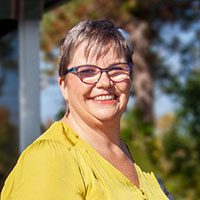
I’ve seen this work especially well for speakers like Kim Woods, a speaker, business strategist and master astrologer, whose visibility page I designed to bring her speaking and thought leadership into one clear place that’s easy to understand at a glance.
Media Page vs Speaker Kit (This Isn’t an Either-Or)
Speakers often ask whether they need a media page or a speaker kit. The better question is how those two assets can support each other without creating more work. A speaker kit and a media page serve different purposes — and most speakers need both.
A speaker kit is something you send. It’s portable and pitch-ready. It works well in direct outreach and formal submissions.
A media page is something people find. It lives on your website, can be shared with a single link, and stays current as your work evolves. It supports visibility before and after the pitch, and it gives decision-makers a place to return to when they need context. A dedicated URL for your media page also makes it easier to share—and easier to remember—when someone needs to pull it up quickly.
When these are designed together, they stop feeling like separate assets and start working as a single visibility system.
What Lives on a Strong Media Page
At its core, your media page should answer the questions someone is already asking in their head:
- what do you speak about?
- who do you serve?
- what experience do you bring?
- and how do they take the next step?
That usually looks like a clear speaker bio, a thoughtful overview of your topics, a sense of where you’ve been featured or spoken, and visuals that actually reflect who you are now—not who you were a few years ago.
What matters most is how all of it works together. A strong media page removes guesswork. It gives someone confidence without overwhelming them, and it makes it easier for the right opportunities to move forward.
Why a Media Page Is Also a Quiet SEO Asset
A media page supports visibility not because it’s stuffed with keywords, but because it aligns with how people search. People search names. Topics. Sometimes they’re simply looking for a media or press page — a quick way to check credibility without digging.
Unlike PDFs, a media page on your website can be indexed, shared, and revisited over time. It’s easier to update as your work evolves, without having to recreate everything from scratch. And writing blog posts about your topics can help you build authority for your site to help you get found easier.
It works quietly, in the background, supporting your visibility while you focus on the work itself.
The Missed Opportunity Most Speakers Don’t See
I see this pattern a lot. A speaker invests in a beautiful kit. They use it for a handful of pitches. Then it slowly becomes outdated, sitting on a hard drive while their work continues to evolve.
A media page changes that dynamic.
Instead of creating something once and hoping it keeps working, you’re building an asset that can grow with you. One place to update. One link to share. One clear destination for anyone who wants to understand your work without piecing it together themselves.
In most cases, the work already exists — it just isn’t organized in a way that supports visibility.
When It Makes Sense to Add a Media Page
You don’t need a media page the moment you decide to speak.
But it becomes incredibly valuable when you start speaking more consistently, appearing on podcasts or panels, refreshing your website, or feeling ready to be more intentional about visibility without turning it into a full-time job.
That’s usually the moment speakers realize they don’t need more content. They need better structure.
How I Approach Media Pages at Aligned Soul Design
I genuinely love designing speaker kits and media pages because they let me blend what I care about most — graphic design and web design — into assets that actually support how speakers move through the world.
When I design a media page, it’s never treated as a standalone thing.
It’s created in conversation with your speaker kit, your website, and your long-term visibility goals. Because the real value isn’t in how it looks—it’s in how everything works together.
That’s why I often offer media pages as an add-on to speaker kit design. The content overlaps for a reason, and when it’s done thoughtfully, both assets support one another instead of competing for your energy.
A Final Thought
If someone looked you up today and landed on your site, would they immediately understand what you speak about and how to take the next step?
A media page isn’t about being louder. It’s about being clearer.
And clarity is what makes the decision easier on the other side of the screen.
If you’re curious whether a media page makes sense for your work—or you’re ready to align one with a speaker kit you already have—I’m always happy to talk it through.
Based in North Carolina, I partner with soul-led speakers across the U.S. to create visibility assets that feel grounded, aligned, and easy to maintain—so your message can reach the people it’s meant for.